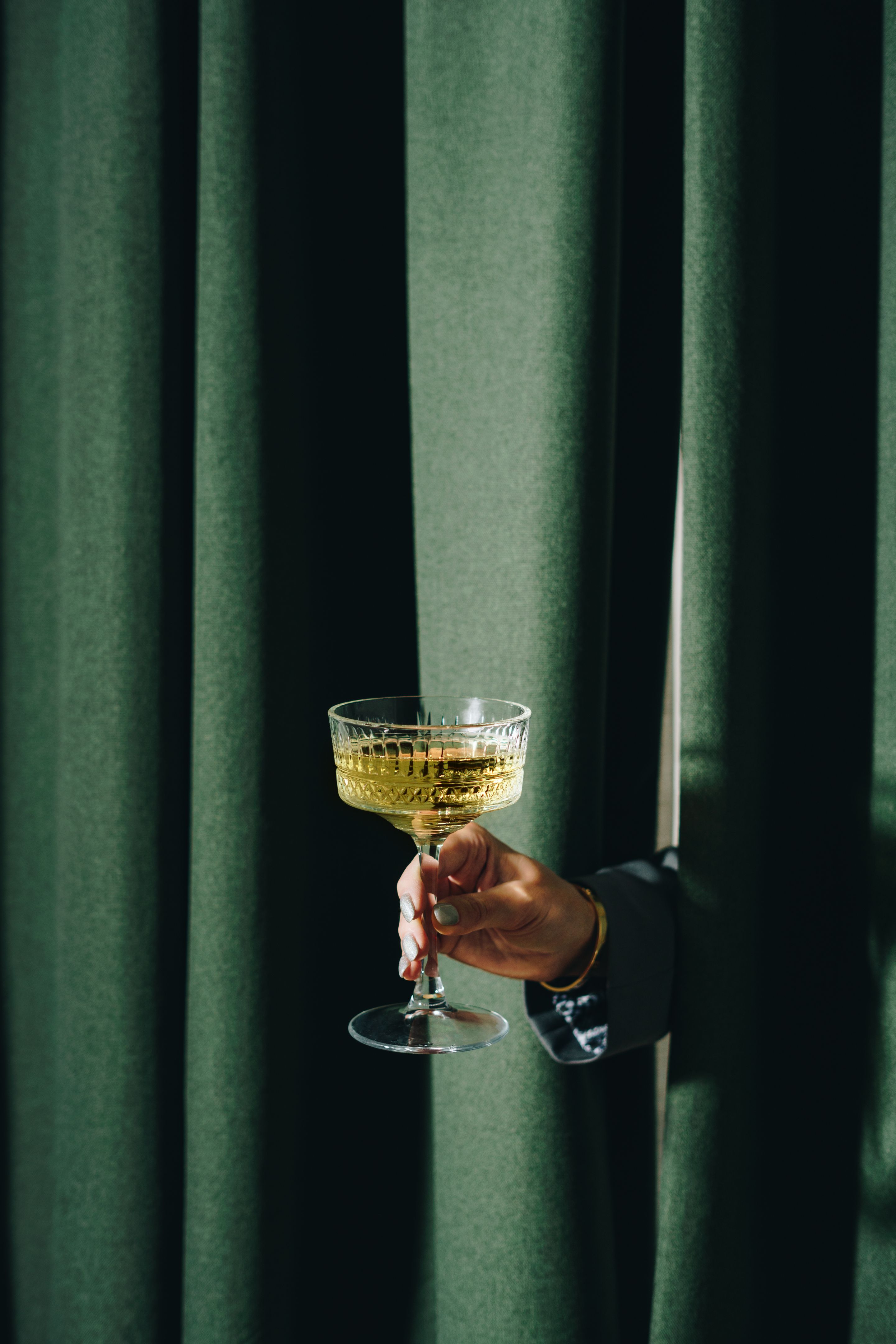
Unveiling the Secrets of Happy Wine Pairings
HB
Understanding the Basics of Wine Pairing
Wine pairing can seem intimidating, but at its heart, it's about enhancing the flavors of both the wine and the food. The fundamental rule is to find balance. The wine should complement the meal, not overpower it. For instance, a bold red wine might overshadow a delicate dish, while a light white wine might get lost with a hearty steak.
When pairing wine, consider the weight and intensity of both the wine and the food. A light dish like a salad pairs well with a crisp white wine, while richer foods such as a beef stew match with fuller-bodied reds. Understanding these basic principles can set the foundation for happy wine pairings.
Matching Flavors and Textures
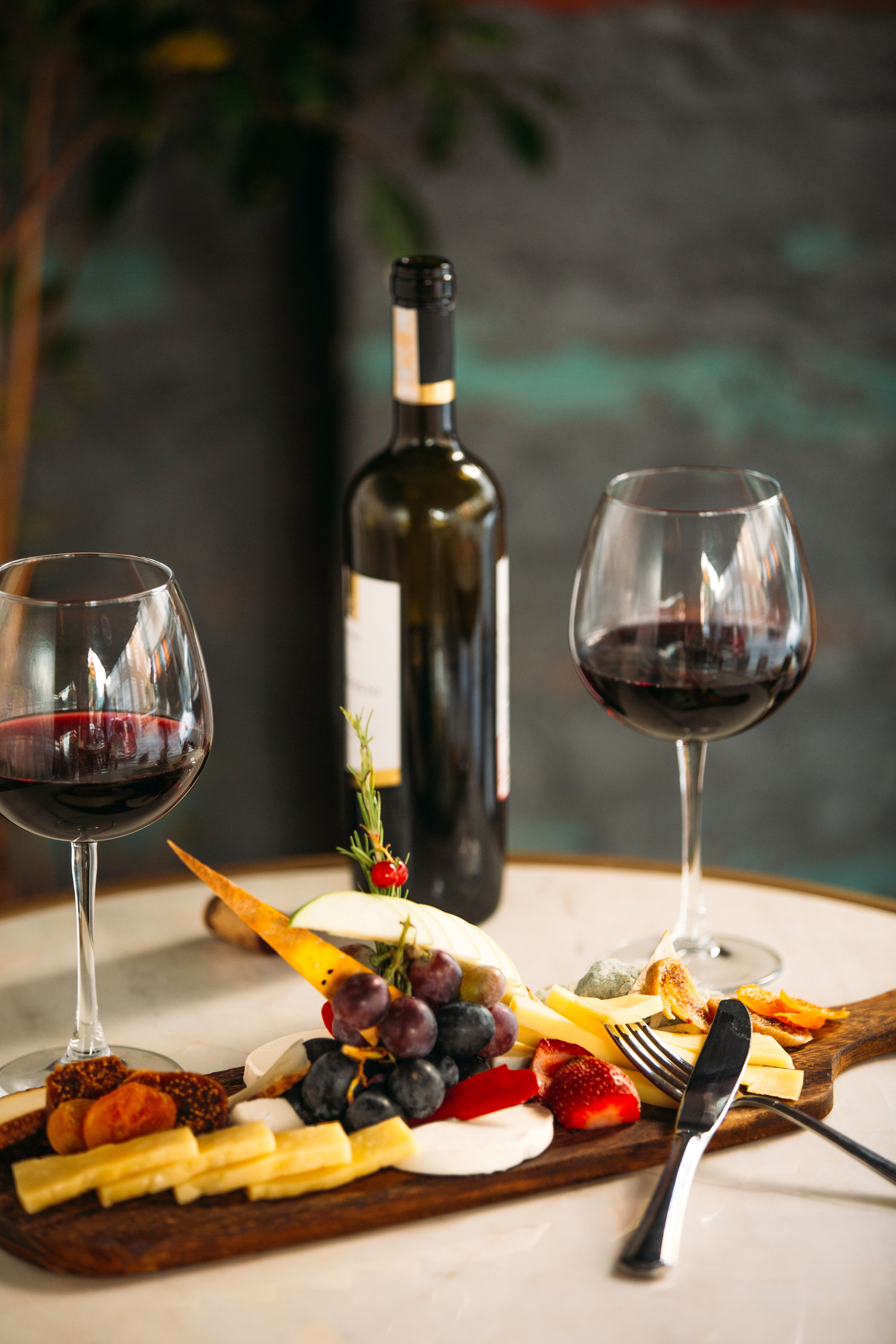
Another key to successful wine pairings is matching flavors and textures. Wines have various flavor profiles, from fruity and floral to spicy and earthy. Similarly, foods can be salty, sweet, sour, or umami. A great pairing enhances these flavors, creating a harmonious dining experience. For example, a sweet dessert wine like Sauternes pairs beautifully with salty blue cheese.
Texture plays an equally important role. A high-tannin red wine can feel drying on the palate, which pairs excellently with fatty meats like lamb or duck. Conversely, a wine with high acidity can cut through rich, creamy dishes, cleansing the palate and preparing it for the next bite.
Regional Pairings: A Natural Fit
One of the delightful aspects of wine pairing is exploring regional combinations. Often, wines and foods from the same region naturally complement each other. This is due to centuries of culinary tradition that have evolved together. Think of Italian Chianti with a classic tomato-based pasta or a French Bordeaux with a hearty cassoulet.
These regional pairings not only work well flavor-wise but also offer a cultural experience, connecting you with the traditions and heritage of the region. When in doubt, opting for a local wine with local cuisine is a reliable choice.
Experimentation: The Key to Discoveries
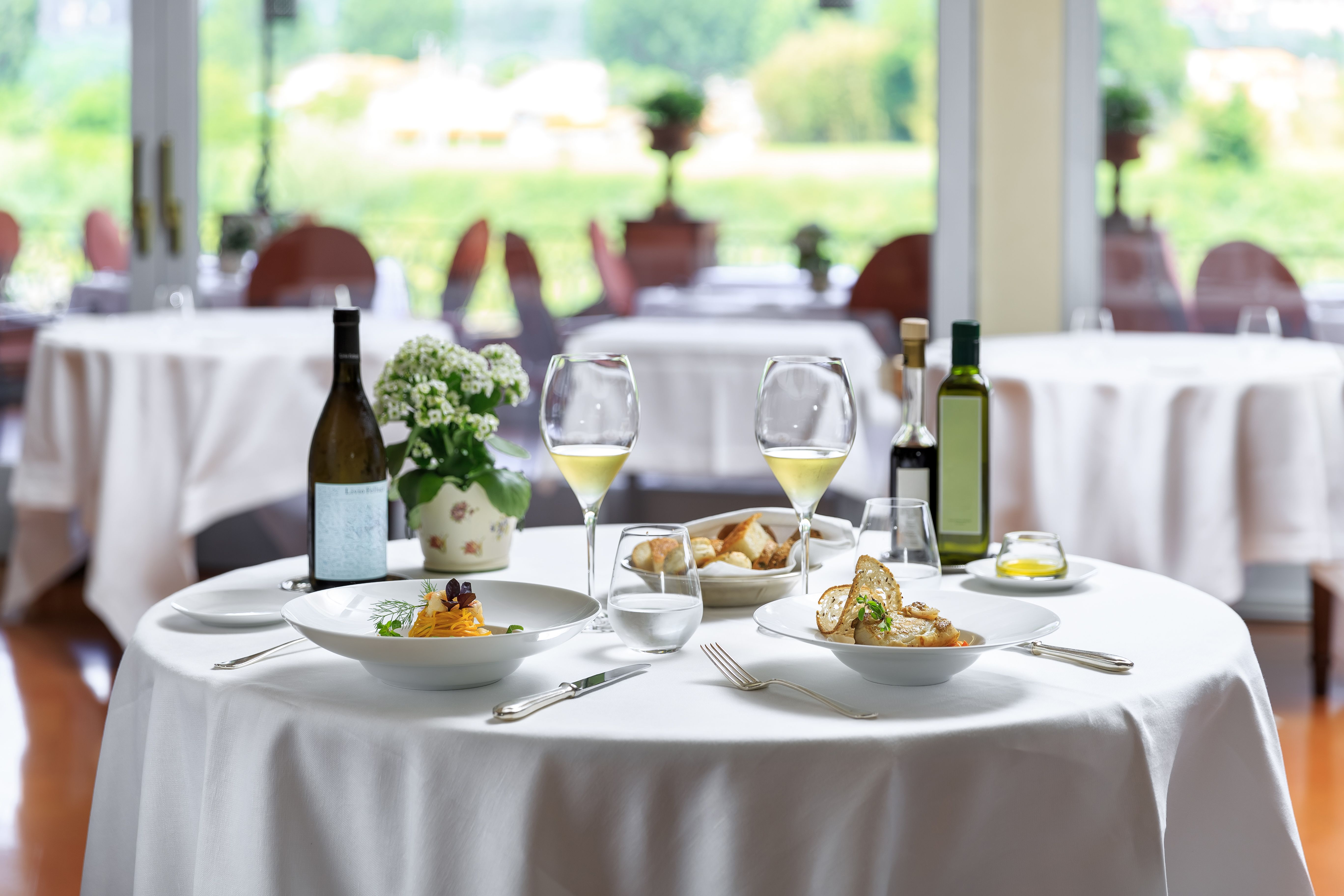
While guidelines are helpful, personal preferences play a significant role in wine pairings. Don't hesitate to experiment with unconventional combinations to discover what delights your palate. You might find that a sparkling wine pairs surprisingly well with fried foods, or that a spicy red enhances the flavors of your favorite curry.
Wine pairing is as much an art as it is a science. By exploring and experimenting, you can uncover new and exciting pairings that might defy traditional expectations but work perfectly for you.
Conclusion: Enjoy the Journey
Wine pairing is a journey, not a destination. It's about exploration, learning, and enjoying the process. Whether you're hosting a dinner party or enjoying a quiet meal at home, the right wine pairing can elevate the experience, making it truly memorable.
Remember that the best pairings come from a place of enjoyment and personal preference. So, sip, savor, and most importantly, have fun with your wine pairings. Cheers to discovering the secrets of happy wine pairings!