The Science Behind the Perfect Sip: Wine Tasting Tips
HB
Wine tasting is an art that combines sensory exploration with a scientific approach. Understanding the components of a perfect sip can enhance your appreciation of wine, turning each tasting into a memorable experience. Whether you're a seasoned connoisseur or a curious beginner, grasping the science behind wine tasting can elevate your enjoyment.
The Role of Aromas
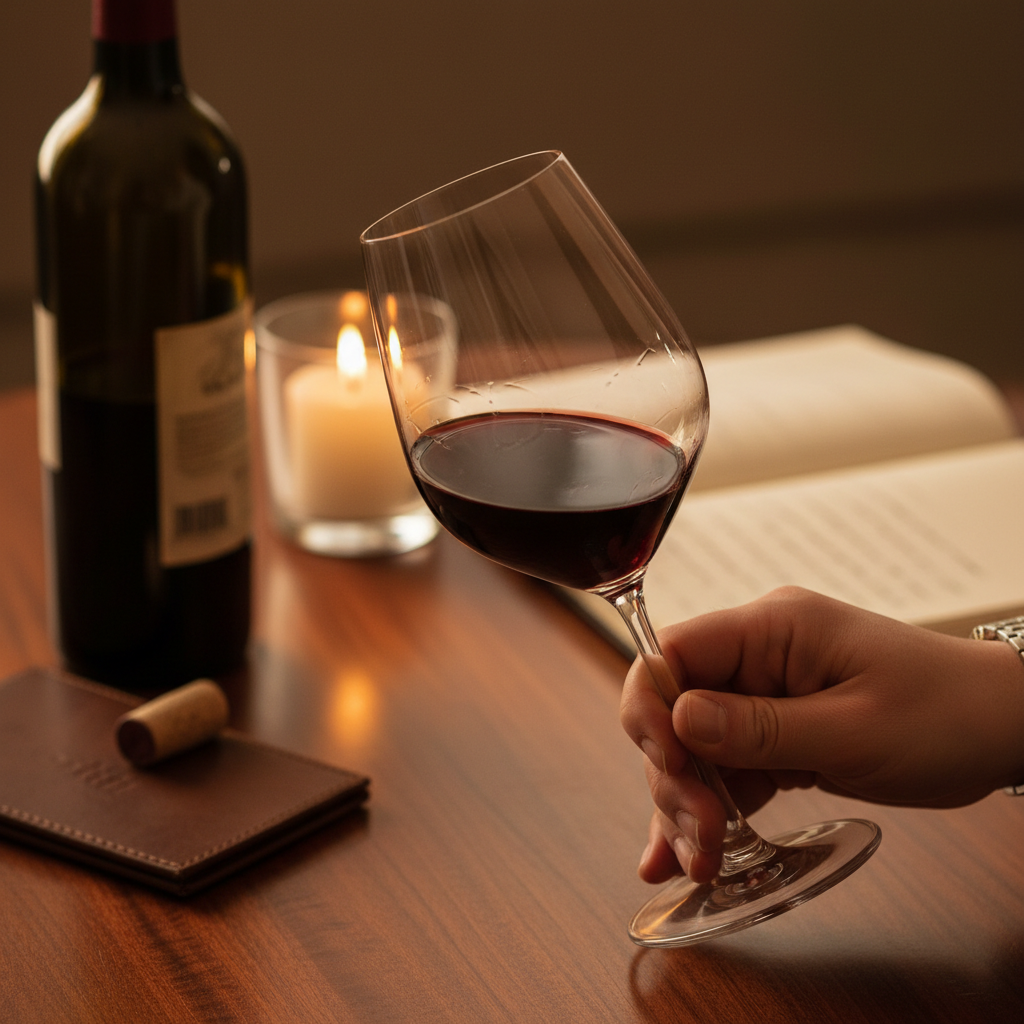
When you first approach a glass of wine, the aromas are the initial invitation to explore its complexity. The science behind aromas lies in volatile compounds that release scents, interacting with olfactory receptors in the nose. These compounds can reveal a wine's grape variety, region, and even the fermentation process used.
To fully appreciate these aromas, swirl the wine gently in your glass. This action increases the surface area of the wine, allowing more aromas to be released. Try to identify primary aromas like fruits and herbs, secondary aromas from fermentation, and tertiary aromas from aging.
Understanding Tannins
Tannins are polyphenolic compounds found in grape skins, seeds, and stems, contributing to a wine’s texture and astringency. They play a crucial role in a wine's structure and aging potential. When tasting, note how tannins affect the drying sensation in your mouth, which can range from silky smooth to robust and gripping.
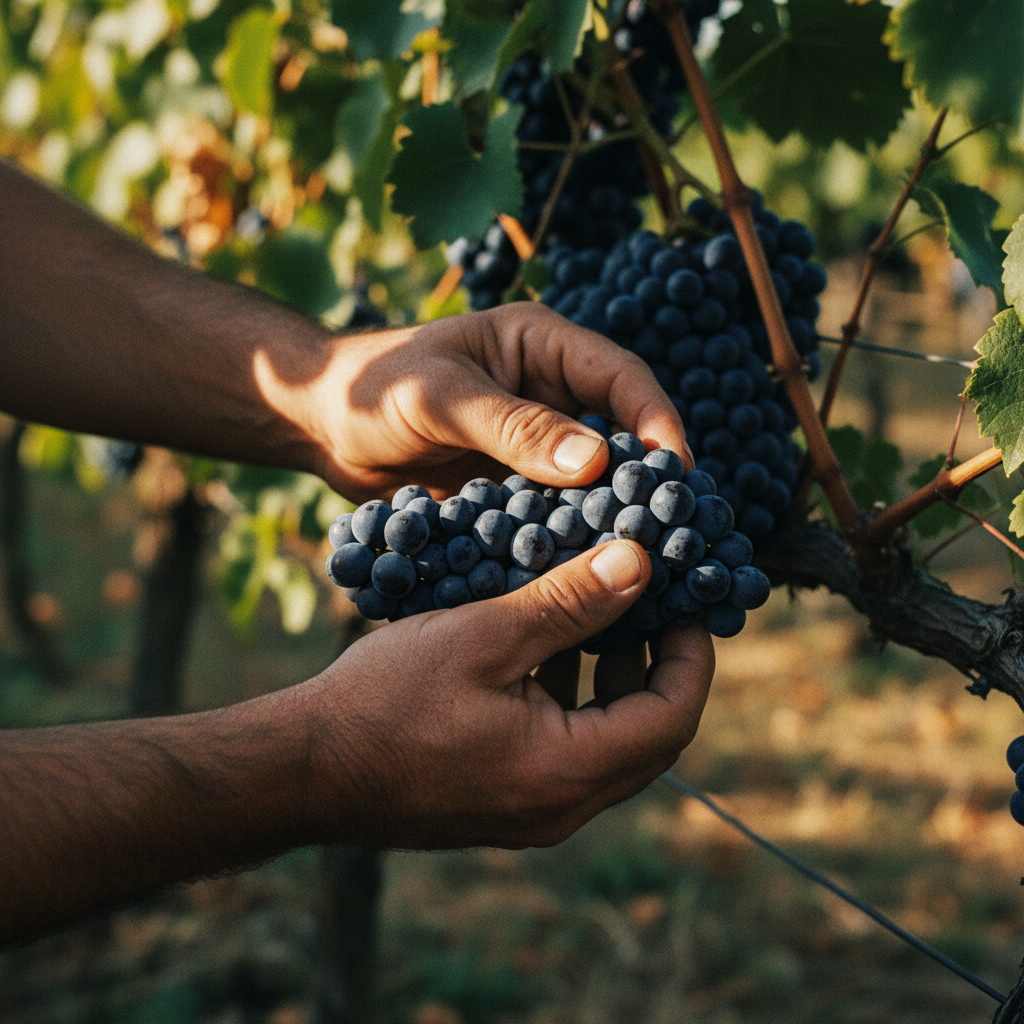
The science of tannins is fascinating. They bind with proteins in saliva, causing the dry feeling. A wine with well-integrated tannins offers a balanced experience, enhancing flavors without overwhelming them.
The Balance of Acidity
Acidity is another key element in wine tasting, providing freshness and vibrancy. It balances sweetness and tannins, contributing to a wine's overall harmony. Acidity can be perceived as a tangy, crisp sensation, often leaving a mouth-watering effect.
Understanding acidity involves recognizing its impact on flavor perception. High-acid wines pair well with rich, fatty foods as they cleanse the palate, preparing it for the next bite.
Exploring Flavors and Finish
Flavors in wine are the culmination of its aromas, tannins, and acidity. As you sip, let the wine linger on your palate to identify a range of flavors. Consider how these evolve and change with each sip.
The finish, or aftertaste, is the final component to evaluate. A long, pleasant finish is often a hallmark of quality. Pay attention to how flavors dissipate, leaving a lasting impression.
In conclusion, wine tasting is both an art and a science, requiring attention to detail and an appreciation for the complexity of flavors and aromas. By understanding the scientific elements involved, you can enhance your tasting skills and deepen your enjoyment of each glass.