The Rise of Sustainable Winemaking in Paso Robles
HB
The Evolution of Winemaking in Paso Robles
In recent years, Paso Robles has emerged as a hub for innovative and sustainable winemaking practices. This renowned wine region in California is not only known for its diverse varietals but also for its commitment to environmental stewardship. Wineries in Paso Robles are increasingly adopting sustainable practices to produce high-quality wines while minimizing their ecological footprint.
What Makes Winemaking Sustainable?
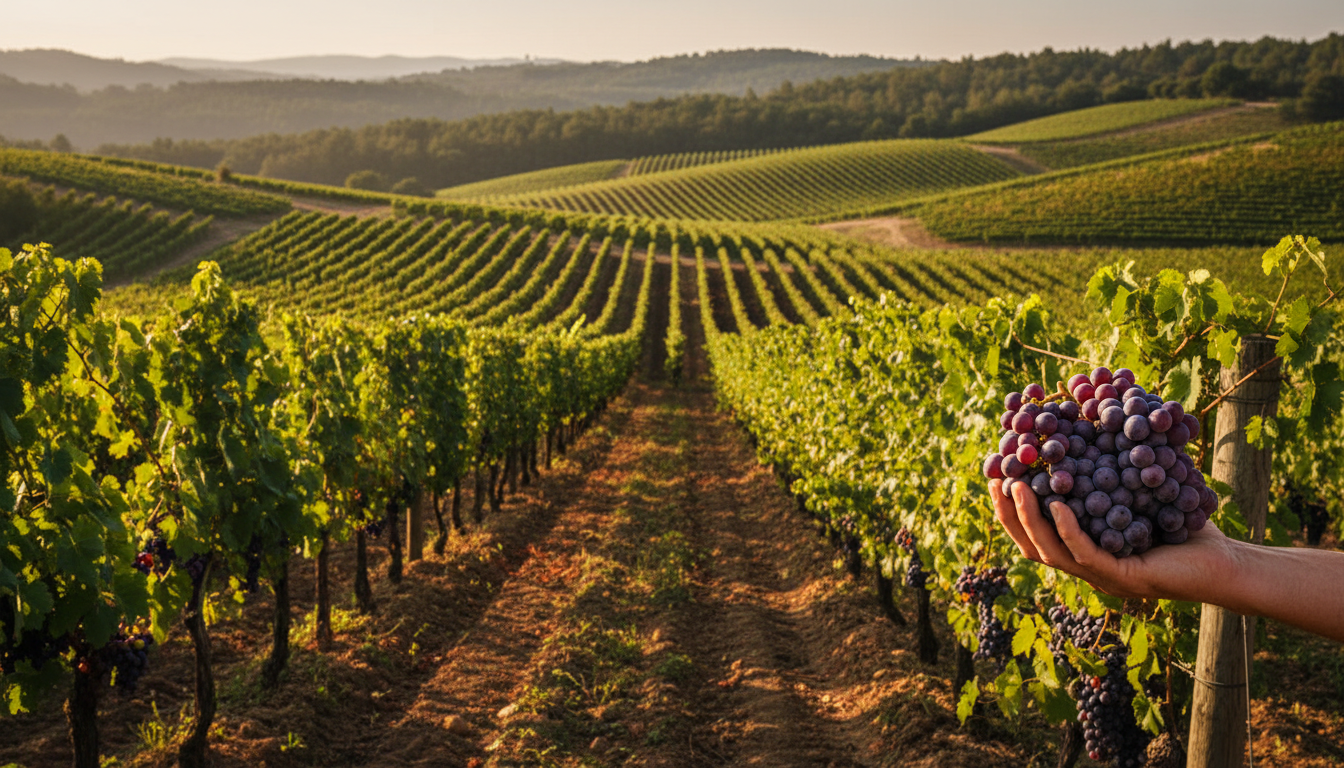
Sustainable winemaking encompasses various practices aimed at reducing environmental impact. This includes water conservation, use of renewable energy, and responsible land management. By adopting these practices, winemakers ensure the long-term health of their vineyards and the surrounding ecosystems. In Paso Robles, the emphasis on sustainability is helping to preserve the natural beauty of the region while producing exceptional wines.
Water conservation is particularly crucial in Paso Robles, given the region's climate. Many wineries are implementing advanced irrigation systems to minimize water usage. Additionally, the use of cover crops and mulching helps retain soil moisture and reduce the need for irrigation.
Innovative Practices in the Vineyard
Winemakers in Paso Robles are not just focusing on the vineyard but also on the winemaking process itself. By incorporating renewable energy sources such as solar panels, wineries are reducing their reliance on fossil fuels. Some wineries have gone a step further by implementing zero-waste policies, ensuring that all by-products are repurposed or recycled.

Organic and Biodynamic Winemaking
Another trend gaining traction in Paso Robles is the adoption of organic and biodynamic winemaking practices. These methods avoid synthetic chemicals and emphasize the use of natural processes to enhance soil health and grape quality. Biodynamic practices, in particular, consider the vineyard as a holistic ecosystem, integrating crop diversity and animal husbandry.
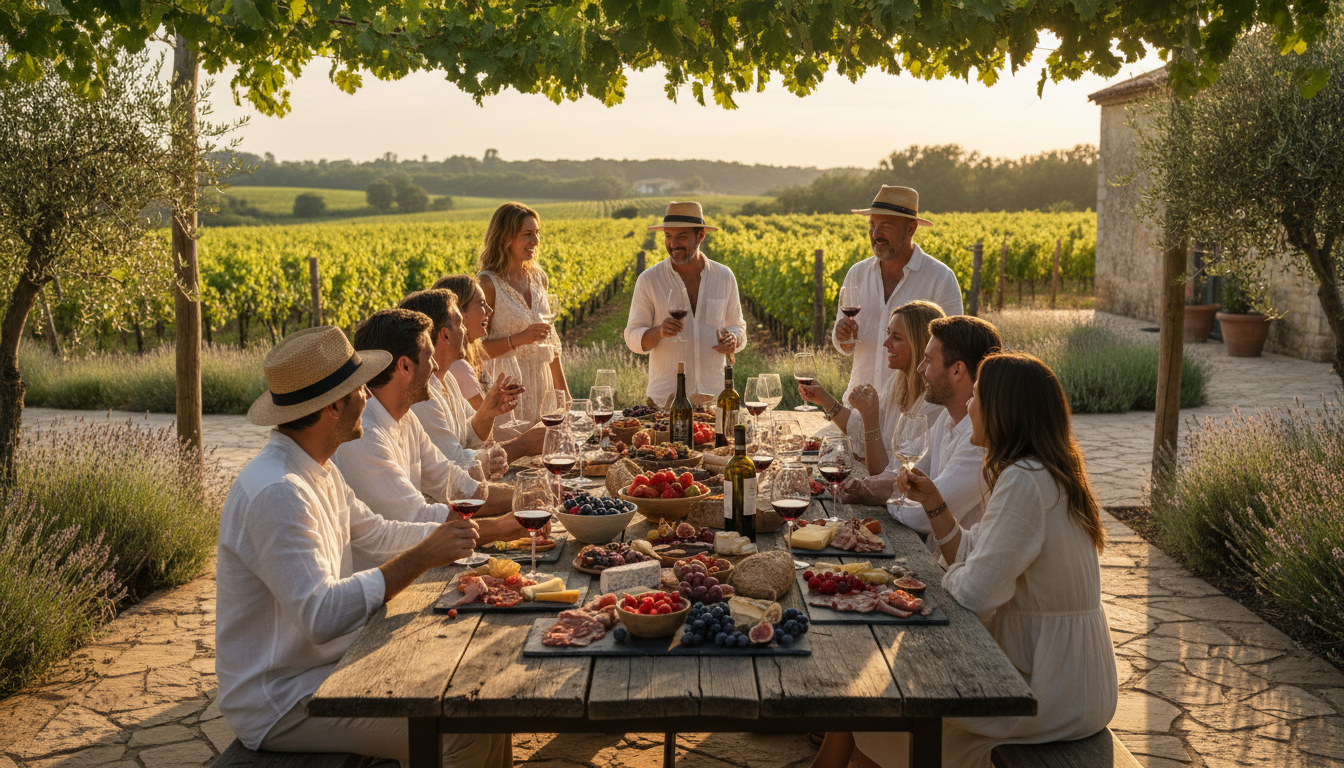
Organic and biodynamic wines are not only better for the environment but also offer unique flavors that reflect the terroir of the region. Consumers are increasingly drawn to these wines, appreciating both their taste and the sustainable practices behind their production.
The Role of Certification
Certification plays a vital role in promoting sustainable winemaking. In Paso Robles, many wineries are pursuing certifications such as SIP (Sustainability in Practice) and CCOF (California Certified Organic Farmers). These certifications provide a framework for sustainable practices and offer consumers assurance about the environmental impact of their wine purchases.
By obtaining these certifications, wineries demonstrate their commitment to sustainability and gain a competitive edge in the market. The certification process also encourages continuous improvement, as wineries strive to meet and exceed standards year after year.
The Future of Winemaking in Paso Robles
The rise of sustainable winemaking in Paso Robles is not just a trend but a lasting transformation. As more wineries embrace these practices, the region is poised to become a leader in sustainable viticulture. This evolution reflects a broader shift in the wine industry toward sustainability and environmental responsibility.
The commitment to sustainability ensures that Paso Robles will continue to produce world-class wines while preserving its natural resources for future generations. As consumers continue to prioritize sustainability, the demand for wines from regions like Paso Robles is only expected to grow.