The Impact of Paso Robles Climate on Wine Production
HB
Understanding the Unique Climate of Paso Robles
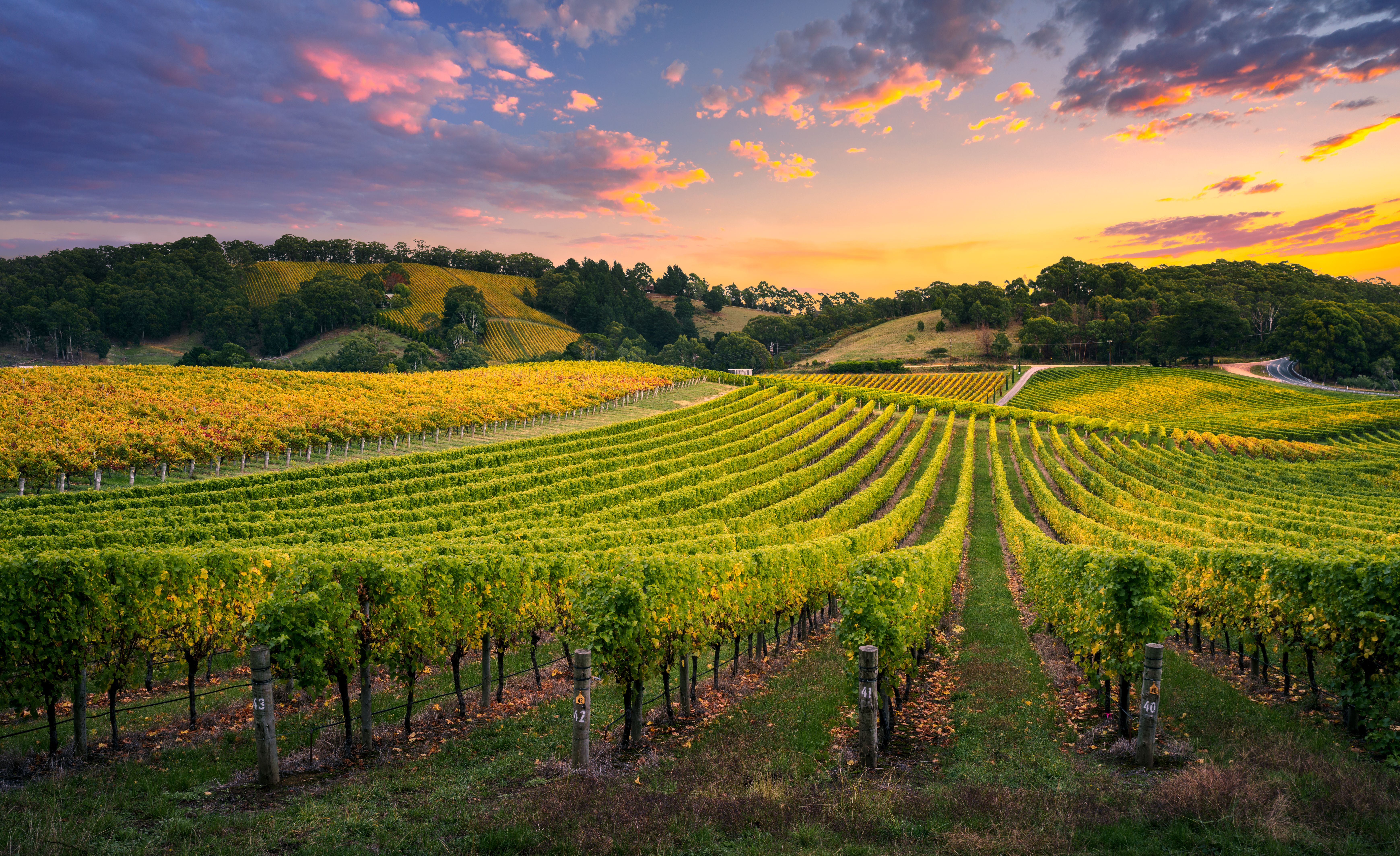
Located in California's Central Coast, Paso Robles is known for its diverse and unique climate, which plays a crucial role in wine production. The region's Mediterranean climate, characterized by warm days and cool nights, creates optimal conditions for growing a wide variety of grape varietals. This climate variation ensures that the grapes develop rich flavors and maintain balanced acidity, essential for producing high-quality wines.
The climate in Paso Robles is influenced by its proximity to the Pacific Ocean. The cool marine air moderates the temperatures, providing a beneficial cooling effect. This is particularly important during the growing season, as it allows the grapes to ripen slowly and develop complex flavor profiles.
The Role of Temperature in Grape Development
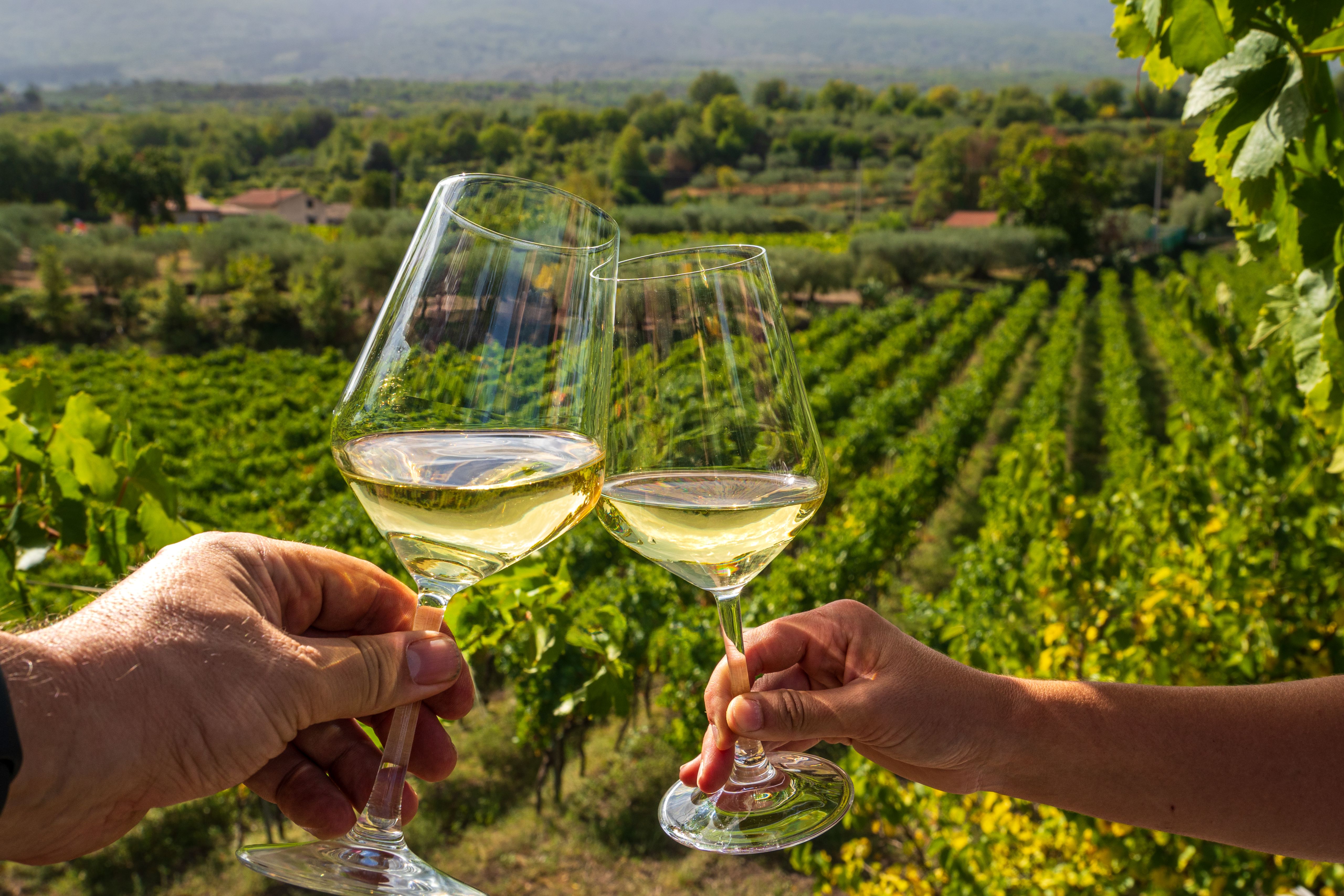
Temperature is a critical factor in grape development. In Paso Robles, the temperature can vary significantly between day and night, with differences sometimes reaching up to 50 degrees Fahrenheit. This diurnal temperature variation helps in preserving the acidity of the grapes while promoting the development of sugars and flavors.
Warm days facilitate photosynthesis, allowing the vines to produce the energy needed for growth. Meanwhile, the cool nights help to retain acidity, which is vital for the balance and structure of the wine. This balance is what makes Paso Robles wines stand out in terms of taste and quality.
Soil Diversity and Its Impact on Wine Characteristics
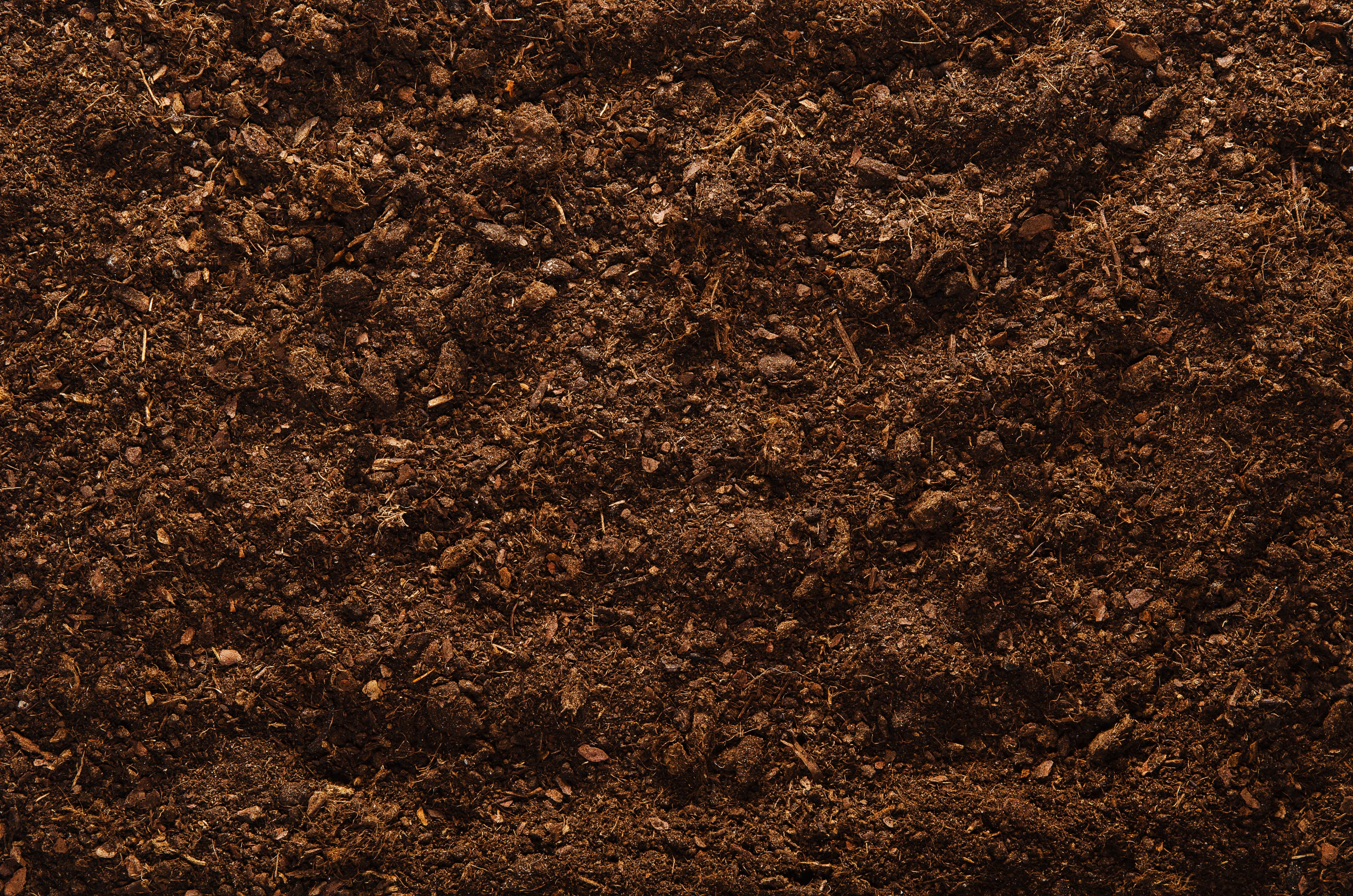
Beyond the climate, the soil diversity in Paso Robles also contributes to the distinctive characteristics of the wines produced here. The region boasts over 30 different soil series, including calcareous, sandy, and clay soils. Each soil type influences the flavor and texture of the wine, allowing winemakers to craft a wide range of styles.
The calcareous soils, in particular, are known for their ability to retain moisture, which is beneficial during dry spells. This retention helps to sustain the vines, ensuring consistent grape quality year after year. The unique combination of climate and soil diversity in Paso Robles allows for the production of wines with remarkable depth and character.
Challenges and Opportunities in Wine Production
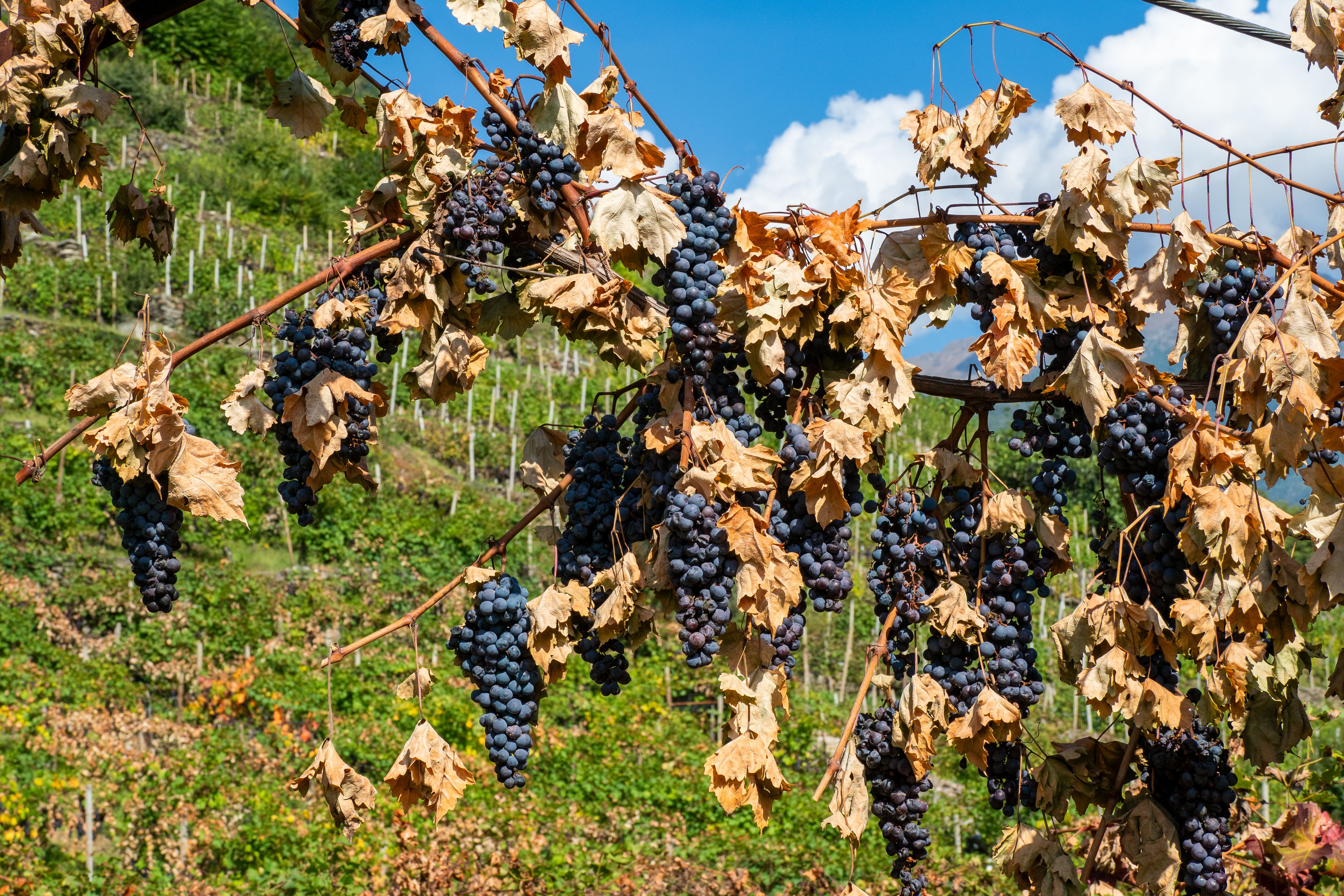
While the climate in Paso Robles offers many advantages, it also presents some challenges. Drought conditions can pose a significant threat to vineyards, as water scarcity can impact grape yield and quality. However, many winemakers in the region have adopted sustainable practices, such as dry farming, to conserve water and maintain the health of their vineyards.
Moreover, the region's climate allows for experimentation with different grape varietals. While traditionally known for its Zinfandel, Paso Robles has seen success with varieties like Cabernet Sauvignon, Syrah, and even Rhône blends. This willingness to innovate has positioned Paso Robles as a dynamic and exciting wine-producing region.
The Future of Paso Robles Wine Production
As climate patterns continue to evolve, Paso Robles winemakers are adapting to ensure the sustainability and quality of their wines. The region's commitment to innovation and environmental stewardship is paving the way for a promising future in wine production.
By embracing both the challenges and opportunities presented by their unique climate, Paso Robles winemakers are not only preserving their rich heritage but also setting new standards for excellence in the wine industry.