How to Choose the Right Wine for Any Occasion
HB
Understanding Wine Basics
Choosing the right wine for any occasion begins with understanding the basics. Wines are typically categorized into reds, whites, rosés, and sparkling. Each type has its own flavor profile and pairing preferences. Knowing these can help you make an informed decision.
Red wines, like Cabernet Sauvignon and Merlot, are known for their rich flavors and are often paired with hearty dishes. White wines, such as Chardonnay and Sauvignon Blanc, offer lighter, crisper tastes that complement salads and seafood.
Consider the Occasion
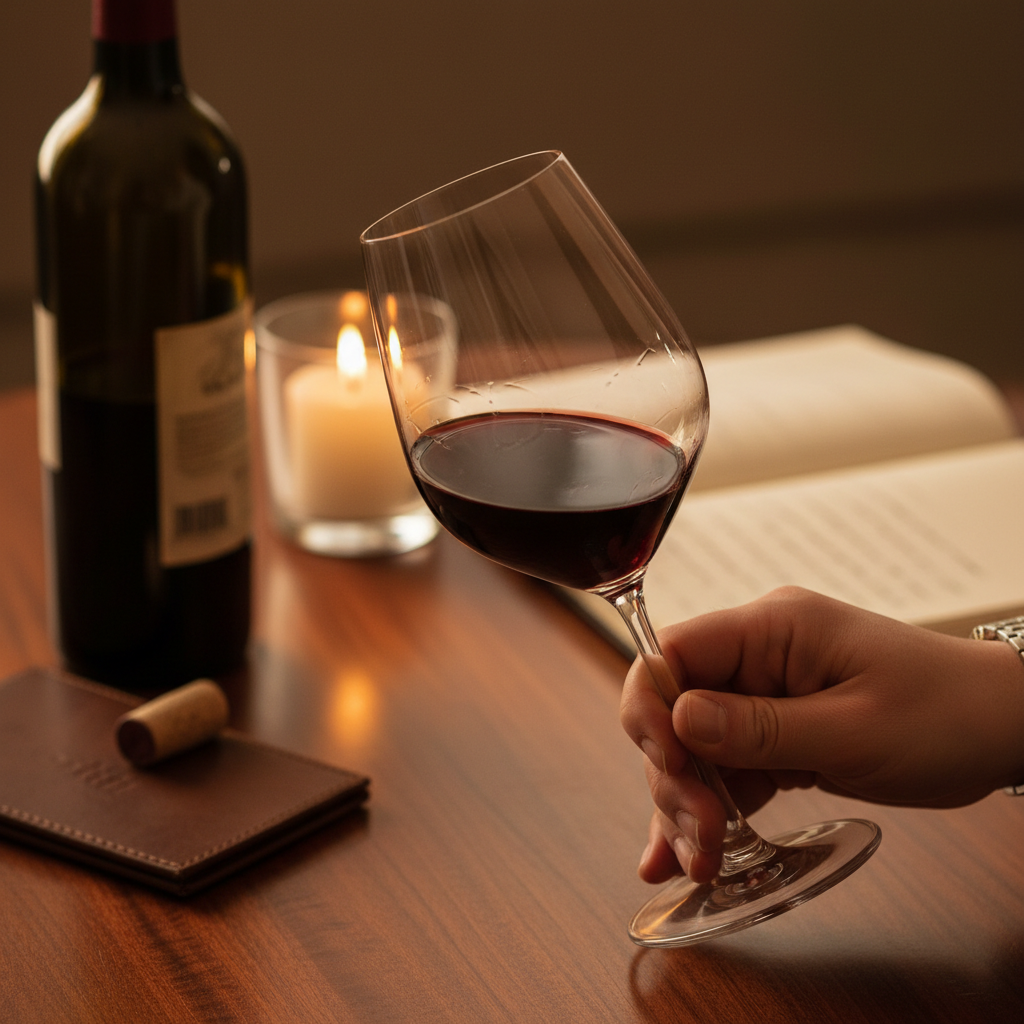
The nature of the occasion plays a crucial role in selecting the right wine. For formal events, you might want to opt for a classic wine, such as a well-aged Bordeaux or a Champagne. For casual gatherings, a versatile Pinot Noir or a refreshing Riesling can be suitable choices.
Think about the theme of the event as well. A summer barbecue might call for a chilled rosé or a zesty white, while a winter dinner party may be better suited for a robust red wine.

Pairing Wine with Food
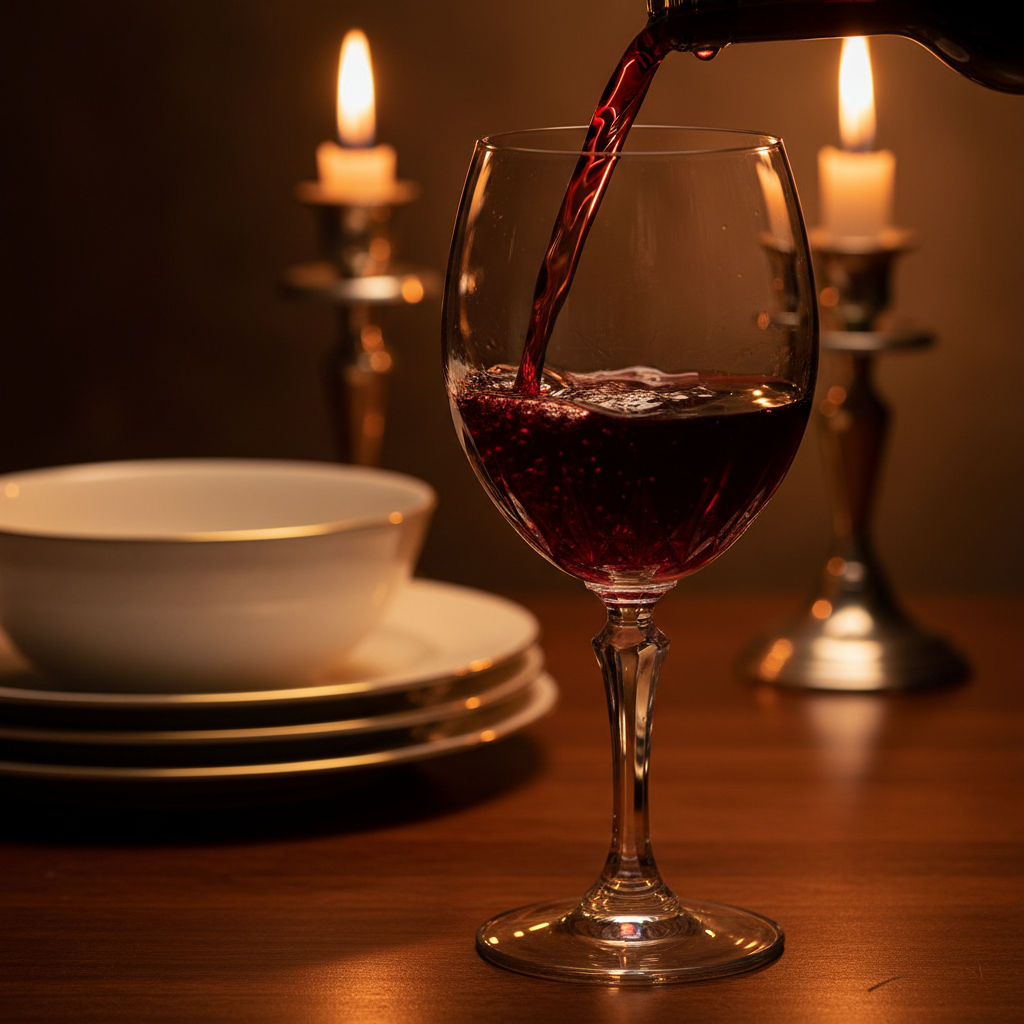
Pairing wine with food is an art. A general rule is to match the wine's weight with the food's weight. For example, a bold red wine pairs well with a heavy steak, while a delicate white complements a light fish dish.
Consider the flavors as well. A sweet wine like Moscato can balance spicy dishes, and a dry wine can enhance the flavors of rich, savory meals. Don't be afraid to experiment, as personal preference plays a significant role.
Understanding Wine Labels
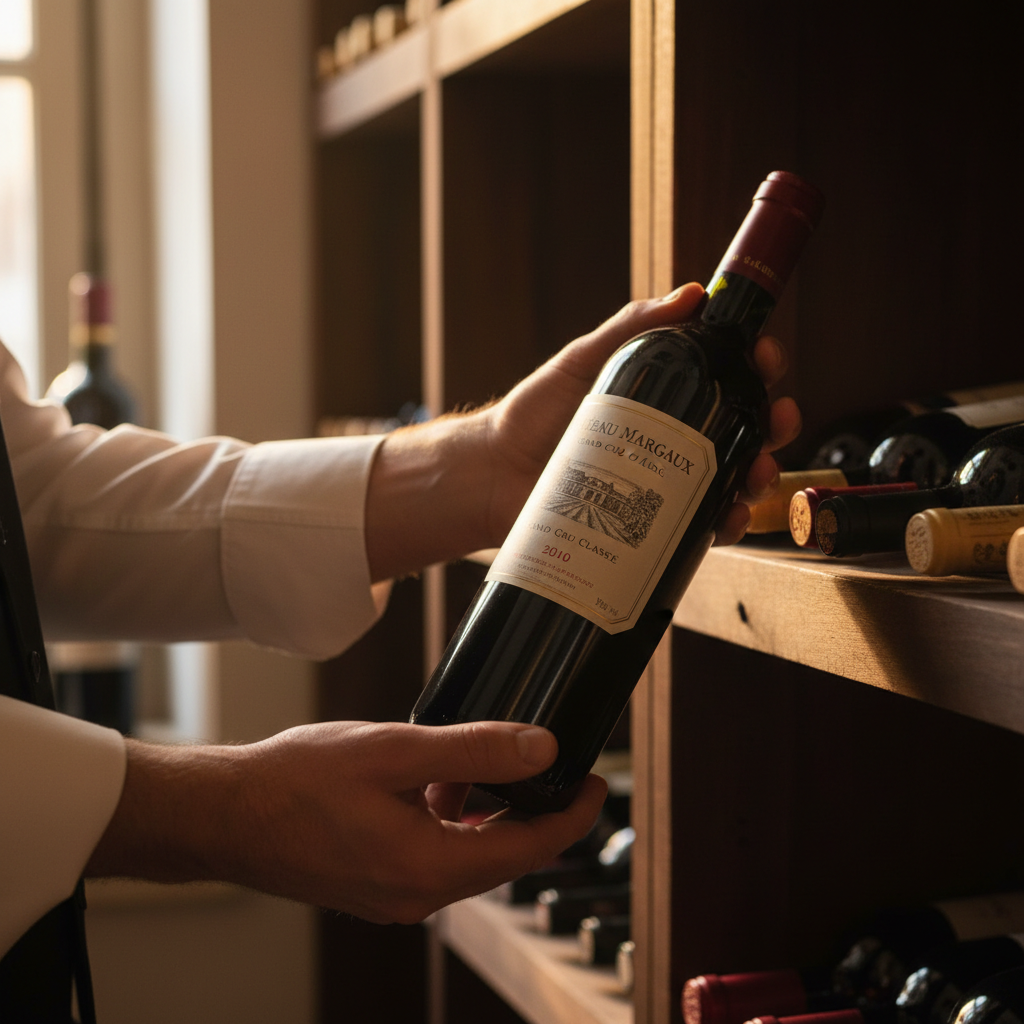
Wine labels can provide valuable information. Look for the grape variety, region, and vintage. The grape variety gives you an idea of the flavor, while the region can indicate quality and style. The vintage, or year the grapes were harvested, can affect the wine's taste and availability.
Pay attention to terms like "reserve" or "estate bottled," which can suggest higher quality. However, these terms can vary by country, so it's helpful to familiarize yourself with local labeling practices.
Setting a Budget
Wines come in a wide range of prices, and setting a budget can help narrow down your choices. Remember that a higher price doesn't always mean better quality. There are many excellent wines available at affordable prices.
Consider exploring lesser-known regions and producers, as they often offer great value. Don't hesitate to ask for recommendations from wine shop staff or consult reviews online.
Trust Your Taste
Ultimately, the best wine is one that you enjoy. While guidelines and expert advice can help, your personal taste should be the final deciding factor. Try different wines and take note of what you like.
Keep a journal of your wine experiences, noting the wines you've tried and your thoughts on each. This can help refine your preferences and make future selections easier.