How Kahana Wines Embraces Sustainable Winemaking in San Luis Obispo
HB
Sustainable Practices at Kahana Wines
In the heart of San Luis Obispo, Kahana Wines is setting a new standard for sustainable winemaking. With a commitment to the environment and a passion for producing high-quality wines, Kahana Wines integrates eco-friendly practices throughout their vineyard operations. This dedication not only benefits the planet but also enhances the quality of their wines.
Organic Vineyard Management
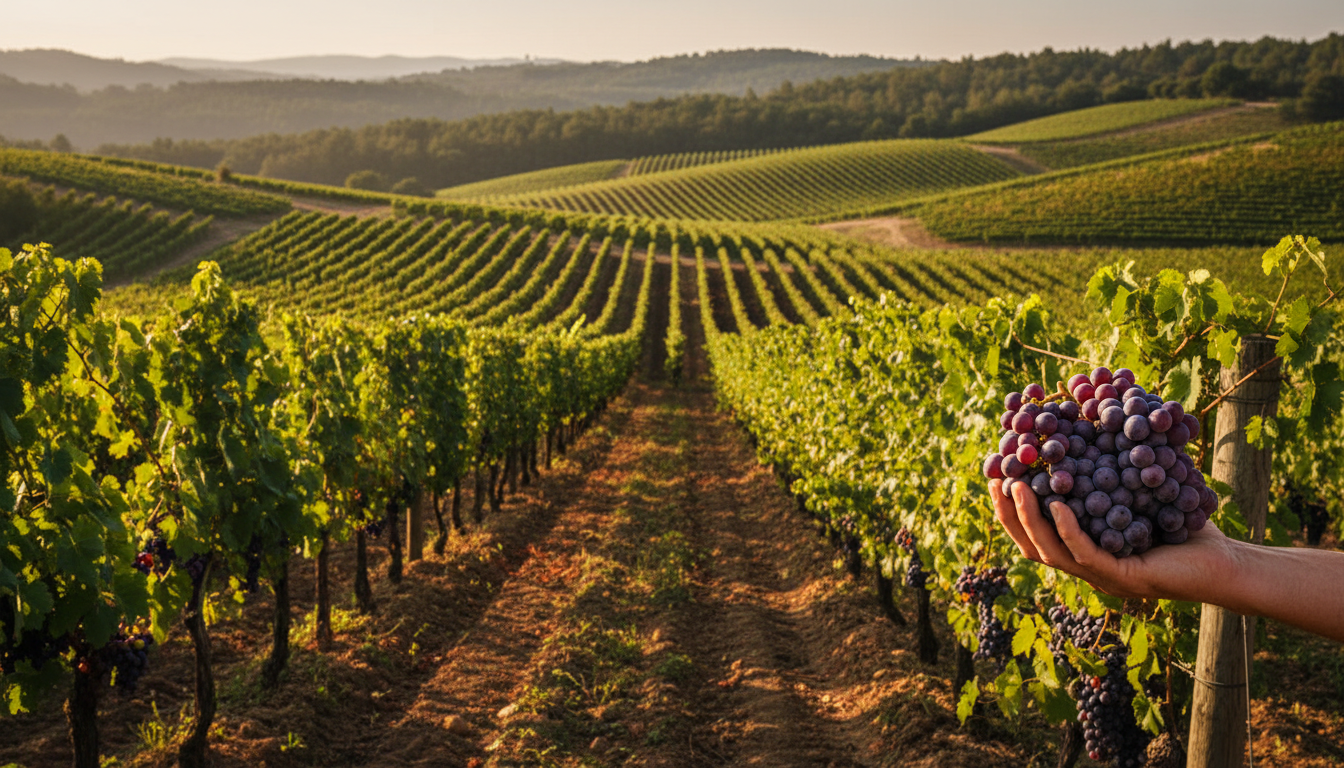
Kahana Wines employs organic farming techniques to maintain the health of their vineyards. By avoiding synthetic pesticides and fertilizers, they promote biodiversity and soil health. This organic approach ensures that the grapes are nurtured in a natural environment, resulting in pure and flavorful wines.
The vineyard also uses cover crops to enrich the soil and manage weeds naturally. These crops help to prevent soil erosion and provide a habitat for beneficial insects, which play a crucial role in pest control.
Water Conservation Efforts
Water is a precious resource in winemaking, and Kahana Wines is dedicated to conserving it. They have implemented advanced irrigation systems that optimize water usage, ensuring that every drop counts. By using sensors and weather data, they can precisely water the vines, reducing waste and promoting sustainable growth.
Additionally, Kahana Wines employs rainwater harvesting techniques. Collected rainwater is used for irrigation and other vineyard needs, further minimizing the reliance on local water sources and promoting a sustainable ecosystem.
Renewable Energy Initiatives
At Kahana Wines, renewable energy plays a pivotal role in reducing their carbon footprint. The vineyard is equipped with solar panels that generate clean energy, powering their operations and reducing reliance on non-renewable energy sources.
The commitment to renewable energy extends to their winery facilities, where energy-efficient practices are employed to minimize consumption. This dual approach not only supports environmental goals but also enhances the overall sustainability of their winemaking process.

Recycling and Waste Reduction
Kahana Wines places a strong emphasis on recycling and waste reduction. By implementing a comprehensive recycling program, they ensure that materials such as glass, paper, and cardboard are reused and repurposed. This commitment reduces landfill waste and promotes a circular economy within the winery.
They also focus on minimizing waste from the winemaking process itself. Grape skins, seeds, and stems are composted or used as natural fertilizers, contributing to the health of the vineyard and closing the sustainability loop.
Community Engagement and Education
Kahana Wines believes in the power of community and education to promote sustainability. They host workshops and tours that educate visitors about sustainable winemaking practices, encouraging others to adopt similar approaches. By sharing their knowledge and passion, they inspire a broader movement towards environmental responsibility in the wine industry.
Through these initiatives, Kahana Wines not only produces exceptional wines but also fosters a culture of sustainability that benefits both the local community and the planet. Their efforts serve as a model for other wineries looking to embrace eco-friendly practices.