From Vine to Glass: The Sustainable Practices at Kahana Wines
HB
In recent years, the wine industry has undergone a significant transformation, with sustainability becoming a key focus for many vineyards. Kahana Wines stands out as a leader in this movement, implementing environmentally responsible practices from vine to glass. This blog post explores the sustainable journey of Kahana Wines, highlighting their dedication to preserving the environment while crafting exceptional wines.
Eco-Friendly Viticulture
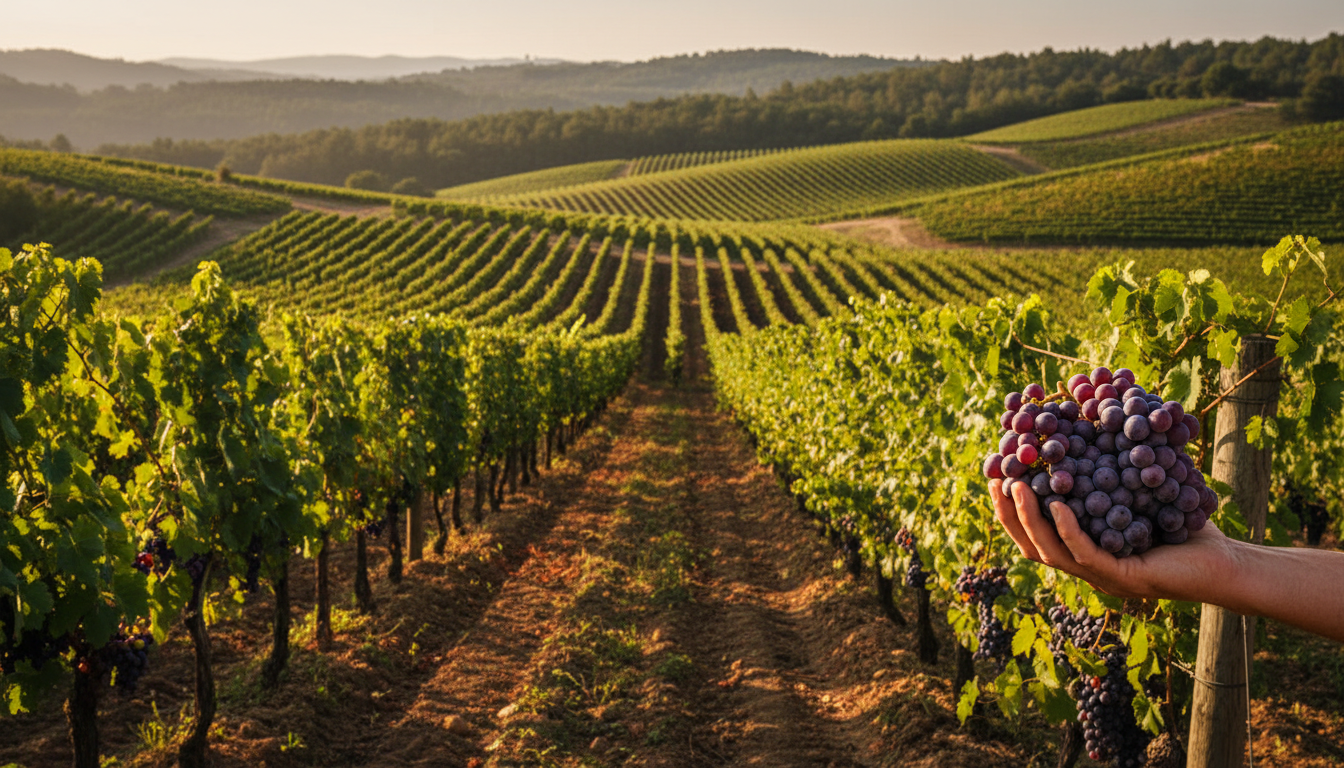
At Kahana Wines, sustainability begins in the vineyard. The company employs eco-friendly viticulture techniques to ensure that their grape cultivation has a minimal impact on the environment. This includes the use of organic fertilizers and natural pest control methods, which reduce the need for harmful chemicals.
Moreover, Kahana Wines prioritizes soil health by practicing crop rotation and cover cropping. These methods help maintain soil fertility and prevent erosion, ensuring that the land remains productive for future generations.
Water Conservation Efforts
Water conservation is a critical aspect of Kahana Wines' sustainability strategy. The vineyard implements advanced irrigation systems that minimize water waste by delivering precise amounts of water directly to the roots of the grapevines. This approach not only conserves water but also enhances grape quality by preventing over-irrigation.
Furthermore, Kahana Wines has invested in rainwater harvesting systems, which collect and store rainwater for use during dry periods. This reduces the reliance on local water sources and ensures a consistent water supply for the vineyard.
Energy Efficiency and Renewable Resources
Kahana Wines is committed to reducing its carbon footprint through energy-efficient practices. The winery is equipped with solar panels that provide a significant portion of the energy needed for production processes. This shift to renewable energy sources has greatly decreased the winery's reliance on fossil fuels.
Additionally, Kahana Wines employs energy-efficient machinery and lighting throughout their facilities. These measures not only lower energy consumption but also contribute to the overall sustainability of their operations.

Waste Reduction and Recycling
Waste reduction is another key component of Kahana Wines' sustainability efforts. The winery actively recycles materials such as glass, cardboard, and corks, ensuring that these resources are reused rather than ending up in landfills. Kahana Wines also uses lightweight bottles, which reduce transportation emissions and require less raw material to produce.
In the vineyard, organic waste is composted and used as a natural fertilizer, closing the loop on the vineyard's waste production. This practice not only reduces waste but also enhances soil health.
Community Engagement and Education
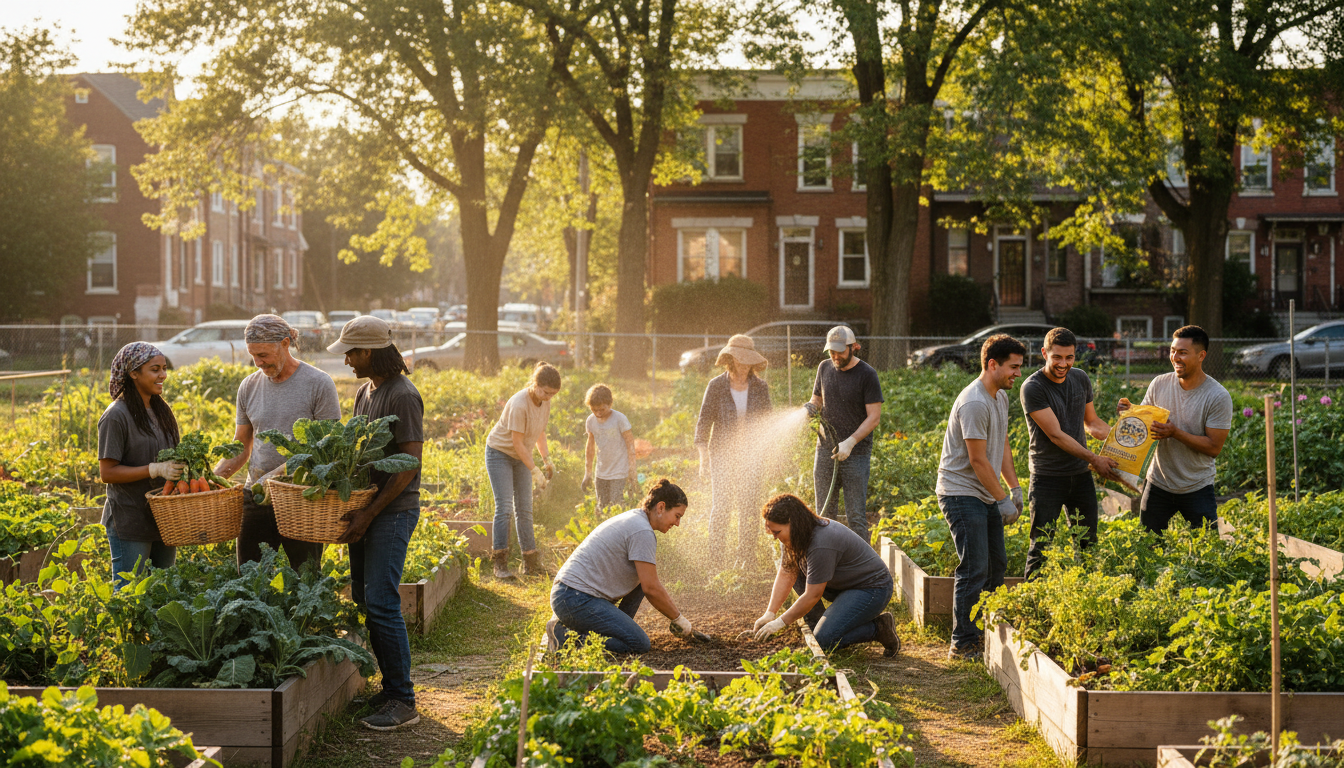
Beyond their sustainable practices, Kahana Wines is dedicated to engaging with the local community and promoting environmental awareness. The winery hosts educational tours and workshops, where visitors can learn about sustainable viticulture and wine production. These initiatives foster a deeper connection between consumers and the land, encouraging more sustainable choices.
Kahana Wines also collaborates with local environmental organizations to support conservation efforts and community projects. By working together, they aim to create a positive impact on the environment and the local community.
From vine to glass, Kahana Wines exemplifies a commitment to sustainability that is both inspiring and essential in today's world. Through innovative practices and community involvement, they are paving the way for a more sustainable future in the wine industry. As consumers, supporting wineries like Kahana Wines not only means enjoying high-quality wines but also contributing to a healthier planet.