Frequently Asked Questions About Wine Storage and Preservation
HB
Why is Proper Wine Storage Important?
Storing wine correctly is essential for preserving its flavor, aroma, and longevity. Incorrect storage can lead to spoilage or a diminished tasting experience. Temperature, light, and humidity are critical factors in maintaining a wine's quality. Understanding these elements can help both novice and seasoned wine enthusiasts enjoy their collection to the fullest.
What is the Ideal Temperature for Wine Storage?
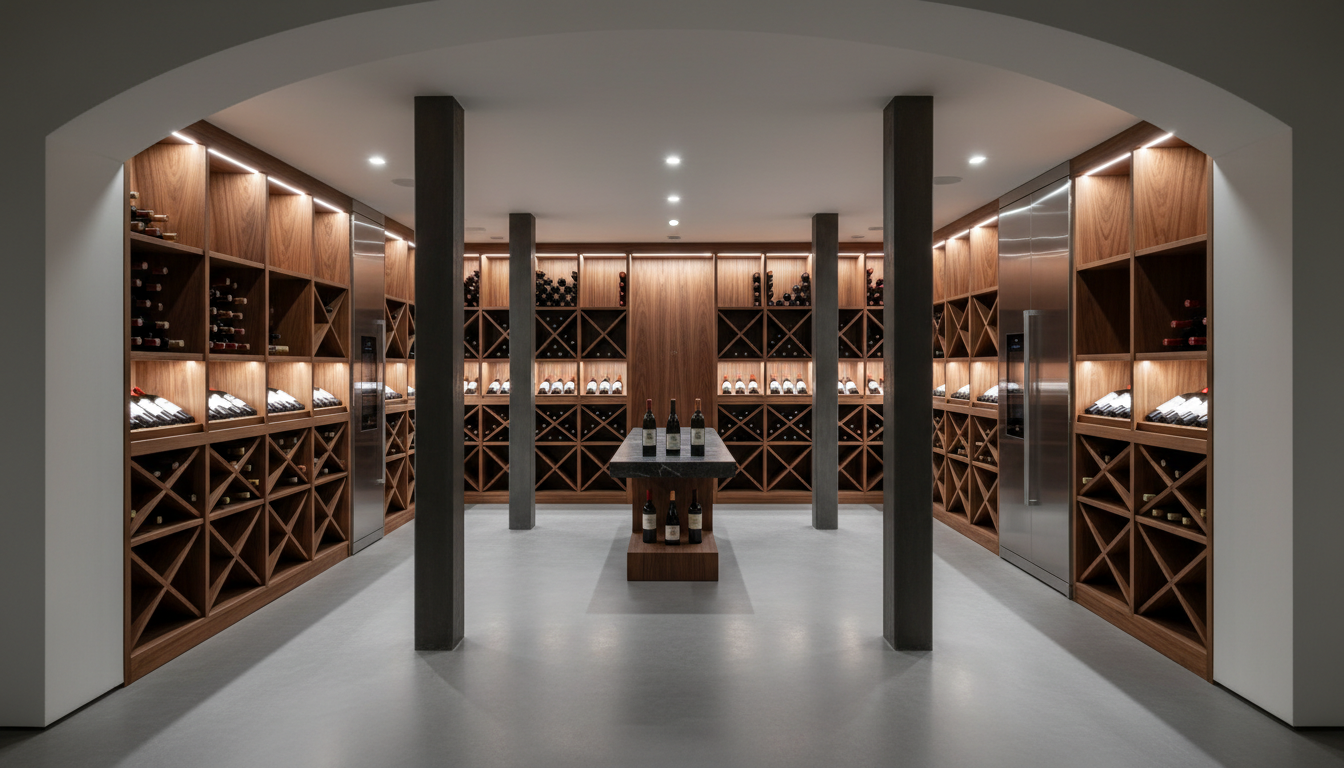
The ideal temperature for storing wine is between 45°F and 65°F (7°C to 18°C). Most wines, both red and white, thrive around 55°F (13°C). Consistency is key; fluctuations in temperature can expand and contract the liquid, potentially damaging the wine. Investing in a wine cooler or dedicated wine cellar can help maintain these conditions year-round.
How Does Humidity Affect Wine?
Humidity levels play a crucial role in wine preservation. Ideally, humidity should be around 60-70%. This prevents the cork from drying out, which can allow air to seep in and spoil the wine. Conversely, too much humidity can lead to mold growth. Monitoring these levels is essential to protect your investment.
Should Wine Be Stored Horizontally or Vertically?
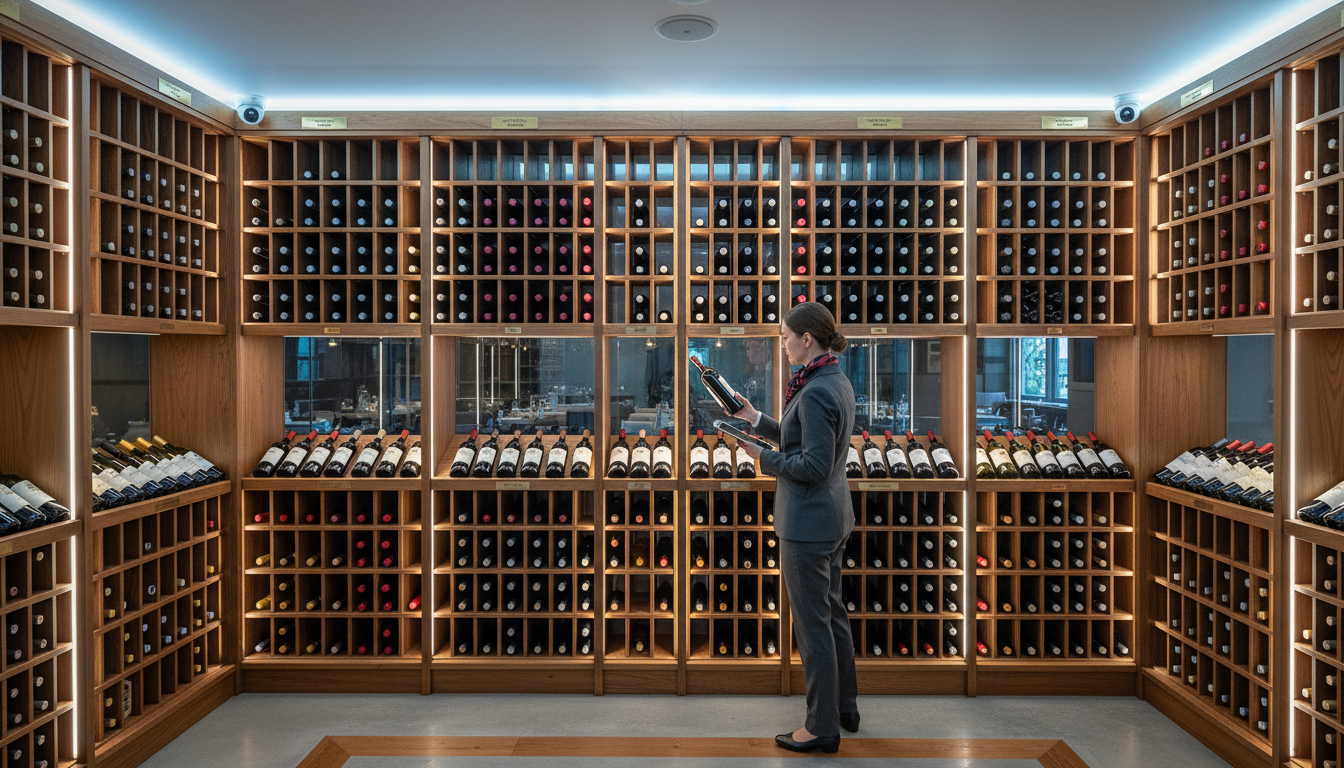
Wine bottles should generally be stored horizontally. This practice keeps the wine in contact with the cork, preventing it from drying out and shrinking. A tight seal ensures that air doesn't enter the bottle, preserving the wine's quality. Only sparkling wines are sometimes stored upright due to their internal pressure.
How Does Light Impact Wine Quality?
Exposure to light, particularly sunlight, can degrade wine, causing it to age prematurely and develop off-flavors. UV rays can penetrate the glass and alter the wine's chemical composition. To avoid this, store wines in a dark place or use UV-filtering glass if they will be exposed to light. Minimizing light exposure is crucial for maintaining wine integrity.
Can Opened Wine Be Preserved?
Once opened, wine begins to oxidize, which can degrade its taste. However, there are several methods to extend its shelf life. Using a wine stopper or vacuum pump can help remove air from the bottle. Refrigeration slows down the oxidation process, and some gadgets inject inert gases to preserve flavor. Generally, red wine lasts 3-5 days, while white wines last 5-7 days after opening.
Should Different Wines Be Stored Differently?
While most wines can be stored under similar conditions, there are some exceptions. For example, champagne and sparkling wines benefit from slightly cooler storage. Fortified wines like Port and Sherry can withstand a bit more temperature variation due to their higher alcohol content. Knowing these nuances can enhance your wine experience.
What Are Common Mistakes in Wine Storage?
Avoid storing wine in the kitchen or near appliances that emit heat, as this can lead to temperature fluctuations. Don't store wine in the refrigerator for extended periods, as the low humidity can dry out corks. Finally, refrain from keeping bottles upright for too long if they have a cork. By avoiding these mistakes, you ensure your wine ages gracefully.
Conclusion
Proper wine storage and preservation are vital to maintaining the quality and enjoyment of your collection. By understanding and implementing these guidelines, you can savor your wines at their best. Whether you're a casual drinker or a dedicated collector, these practices will help you appreciate every bottle to its fullest potential.