Comparing Paso Robles Wines to Napa Valley: What Sets Them Apart?
HB
Introduction to Paso Robles and Napa Valley
When it comes to renowned wine regions in California, Paso Robles and Napa Valley often come up in conversation. Both areas boast a rich history of winemaking and a diverse array of wines. However, each region has its unique characteristics that set them apart in the world of viticulture.
Climate and Geography
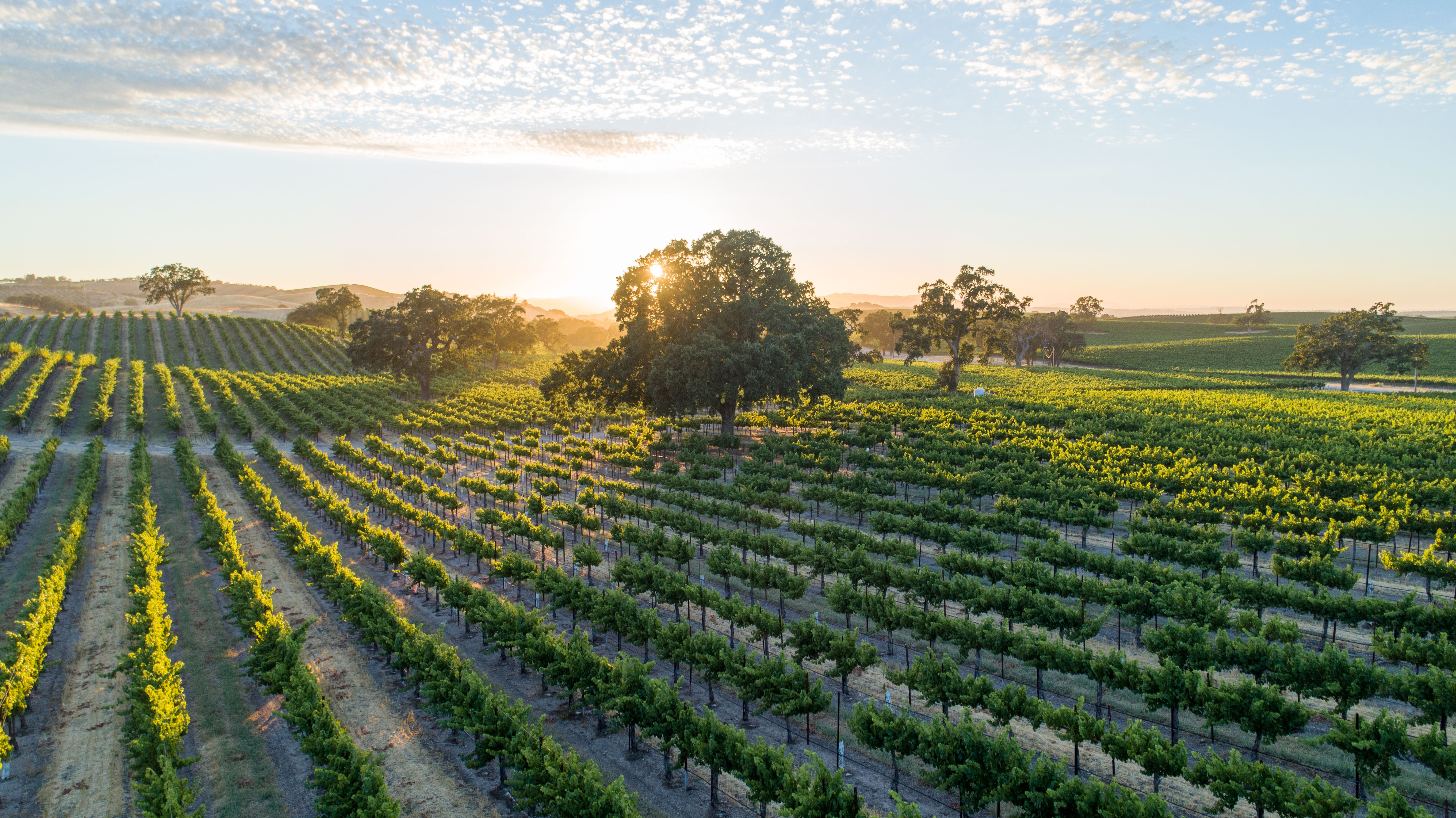
The climate is a significant factor that differentiates Paso Robles from Napa Valley. Paso Robles experiences a more extreme range of temperatures, with hot days and cool nights, thanks to its proximity to the Pacific Ocean. This diurnal temperature variation is ideal for growing a variety of grape types, particularly Rhône varietals.
On the other hand, Napa Valley is known for its Mediterranean climate, characterized by wet winters and dry summers. This consistency makes it particularly suitable for growing Bordeaux varietals like Cabernet Sauvignon and Merlot. The valley's varied microclimates also contribute to the complexity and diversity of its wines.

Terroir and Soil Composition
The terroir of Paso Robles is marked by its diverse soil composition, including limestone, shale, and clay. This diversity allows winemakers to experiment with different grape varietals and techniques, resulting in a wide range of wine styles.
Napa Valley's soil is equally diverse, with over 30 different types of soil, including volcanic and alluvial deposits. This rich soil diversity supports the cultivation of various grapes, leading to wines that are rich in complexity and character.
Grape Varietals and Wine Styles
Paso Robles is known for its bold and robust wines, particularly Zinfandel and Rhône varietals such as Syrah and Grenache. The region has also gained recognition for its innovative blends, which often showcase the unique qualities of its terroir.
Napa Valley is synonymous with high-quality Cabernet Sauvignon, which remains a flagship varietal for the region. Additionally, wines such as Chardonnay and Pinot Noir are also highly regarded, with winemakers focusing on producing elegant and refined expressions.
Winemaking Techniques and Innovation
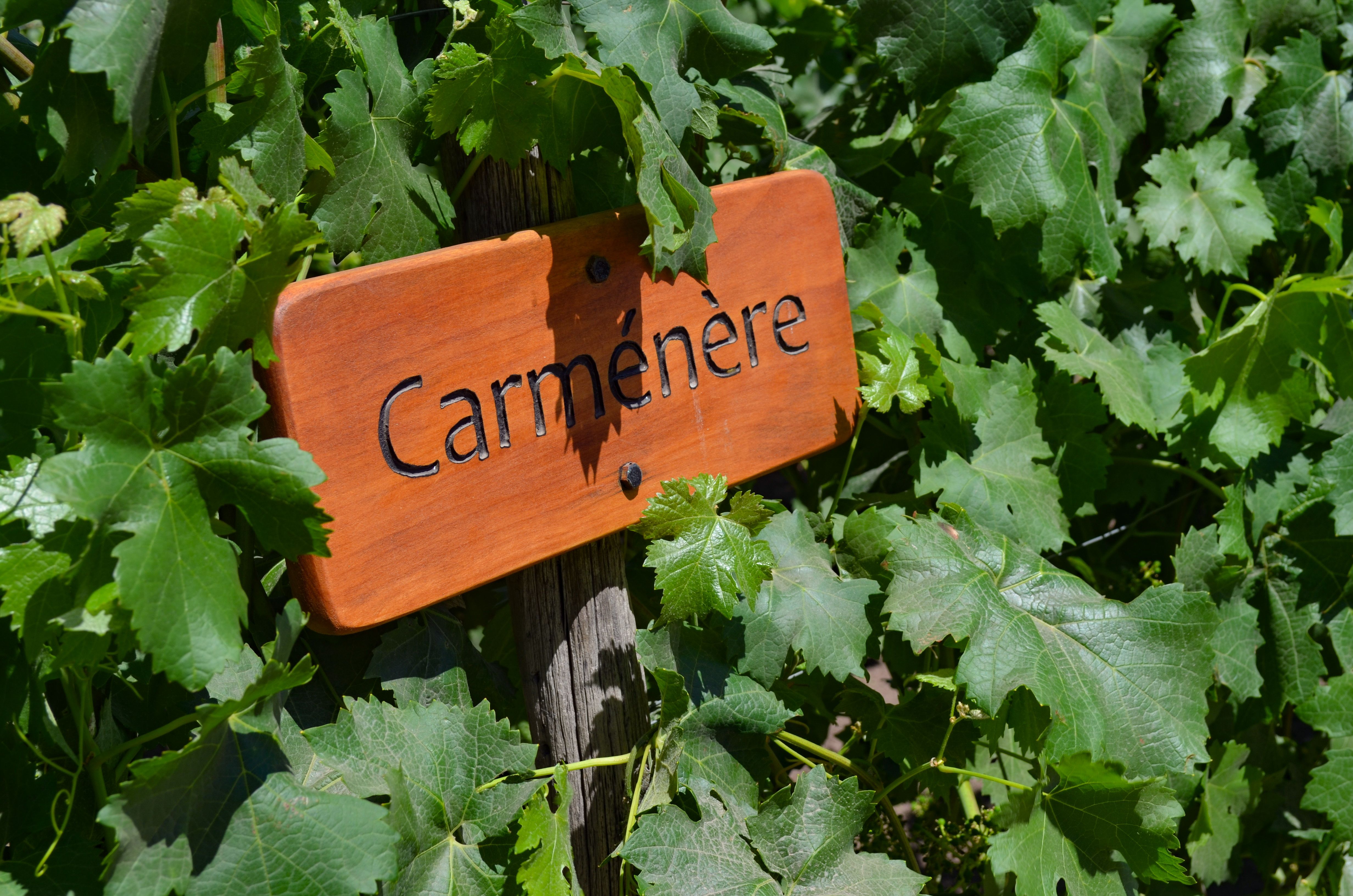
Winemakers in Paso Robles are known for their experimental approach, often blending traditional practices with modern innovations. The region's winemakers are not afraid to push boundaries, resulting in unique and intriguing wines that reflect the area's adventurous spirit.
Napa Valley, while deeply rooted in tradition, has also embraced innovation, particularly in sustainable winemaking practices. Many wineries in the area focus on organic and biodynamic farming, aiming to enhance the natural qualities of their wines while preserving the environment.
Tasting Experiences and Wine Tourism
Both Paso Robles and Napa Valley offer exceptional wine tasting experiences, but they cater to different preferences. Paso Robles is known for its laid-back and welcoming atmosphere, where visitors can enjoy intimate tastings and vineyard tours.
In contrast, Napa Valley offers a more upscale and polished experience, with luxurious tasting rooms and world-class dining options. The valley's reputation for excellence in hospitality attracts wine enthusiasts from around the globe.

Conclusion: A Tale of Two Regions
While both Paso Robles and Napa Valley have much to offer wine lovers, their unique characteristics make them stand apart. Paso Robles is perfect for those who appreciate bold flavors and innovative blends, while Napa Valley appeals to those seeking refined elegance and classic varietals.
Ultimately, whether you prefer the adventurous spirit of Paso Robles or the distinguished allure of Napa Valley, both regions promise unforgettable wine experiences that celebrate the art of winemaking.